
Start with the build brief, not the mood board
Clients usually come in with strong visual references, but the more important first step is defining how the house needs to work day to day. That means room priorities, entertaining patterns, privacy needs, storage, circulation, and how much flexibility the layout should carry over time.
Once the working brief is clear, design choices become easier to evaluate. The project can move with fewer revisions because everyone is measuring against the same priorities.
Get consultant alignment early
Consultation matters for a reason. Architecture, interiors, site servicing, structural thinking, and budgeting need to be discussed early enough that one decision does not quietly create a problem somewhere else.
- Confirm scope and decision-makers before drawings accelerate
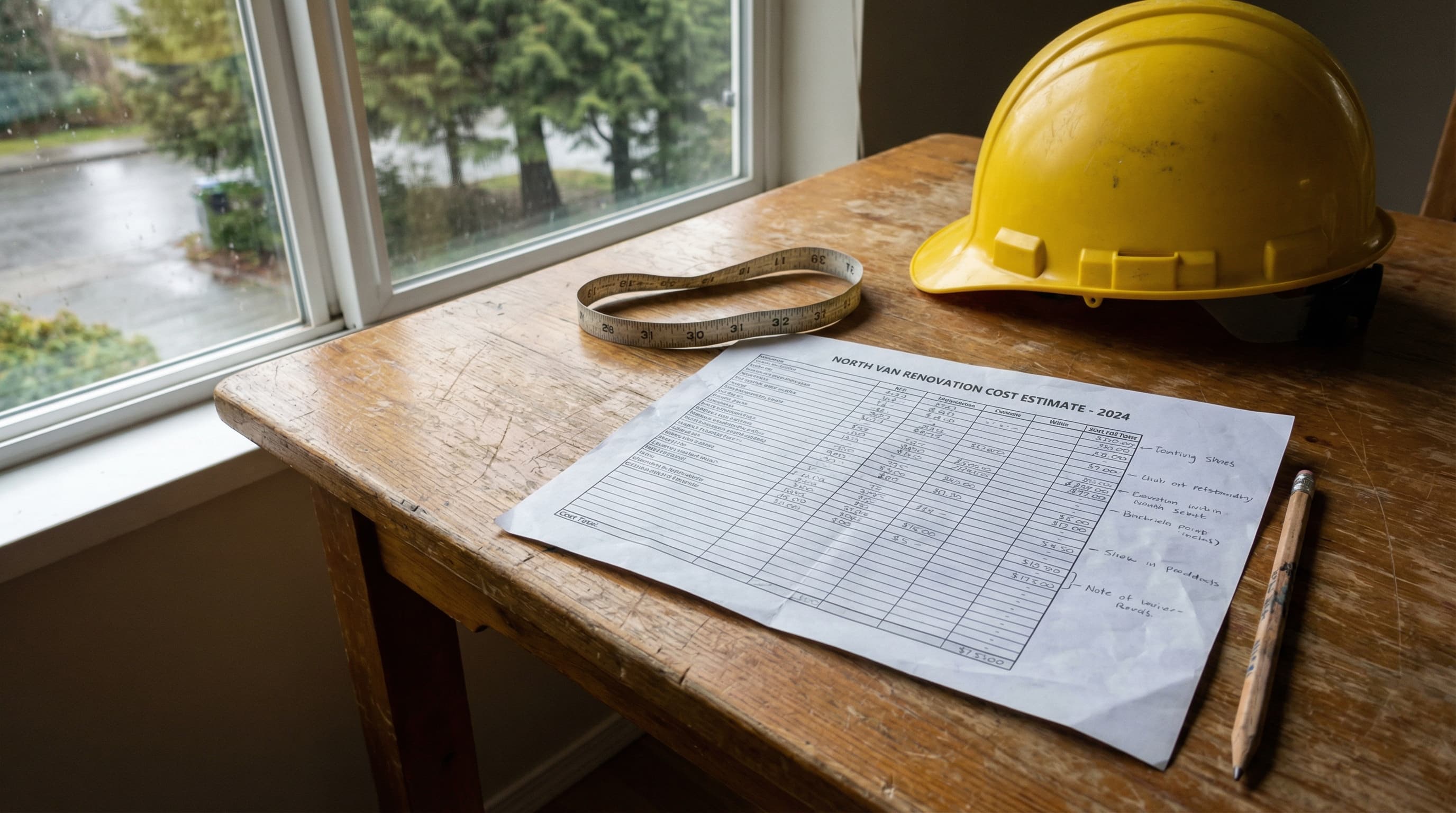
- Review budget pressure points before material expectations harden
- Keep structural, site, and interior decisions in the same conversation
Interior decisions affect construction sequencing
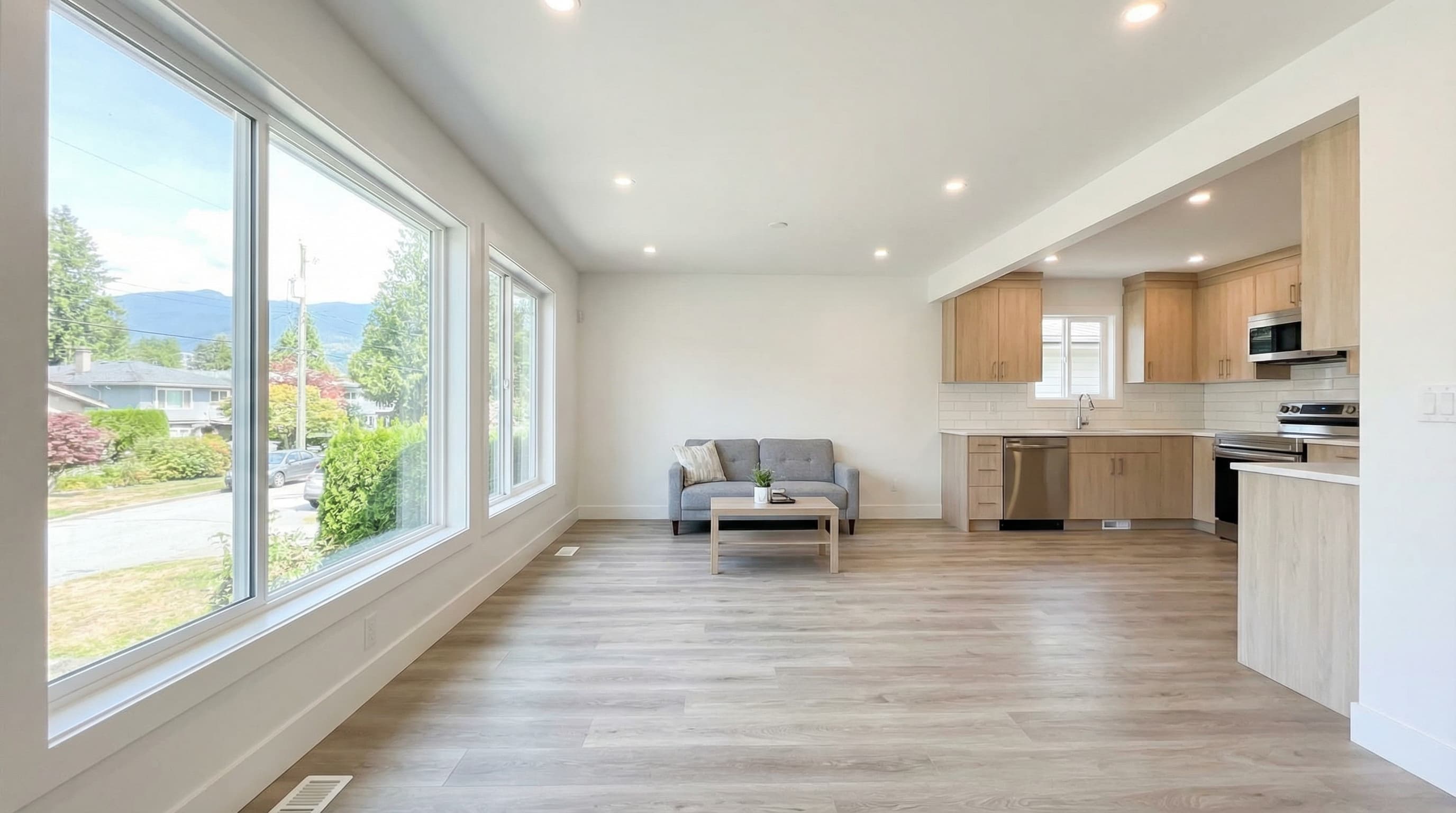
Cabinetry, lighting, tile layouts, stair detailing, window packages, and appliance planning all have downstream effects on framing, rough-ins, and finish sequencing. When these are left too late, the site absorbs the cost.
The smoother approach is to push major interior decisions forward so the build team can coordinate around them instead of working around uncertainty.
Treat approvals and site conditions as design inputs
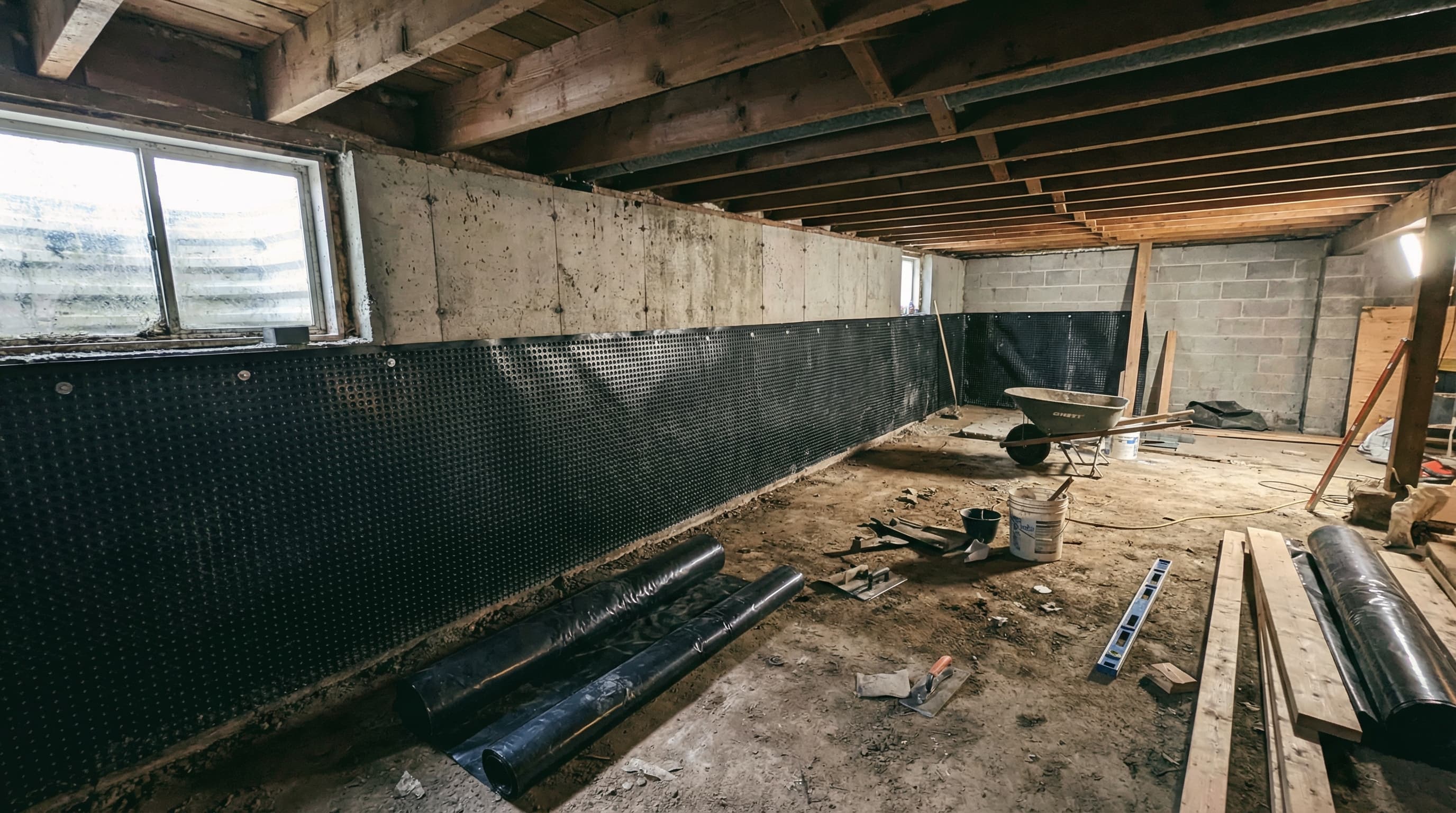
North Vancouver projects often carry lot constraints, servicing realities, grading considerations, and municipal approvals that shape the project from the start. Those conditions should not be treated as side notes after the concept is already fixed.
A good custom-home process acknowledges site realities early, then develops the design around them rather than fighting them later.