
Know what the site will actually support
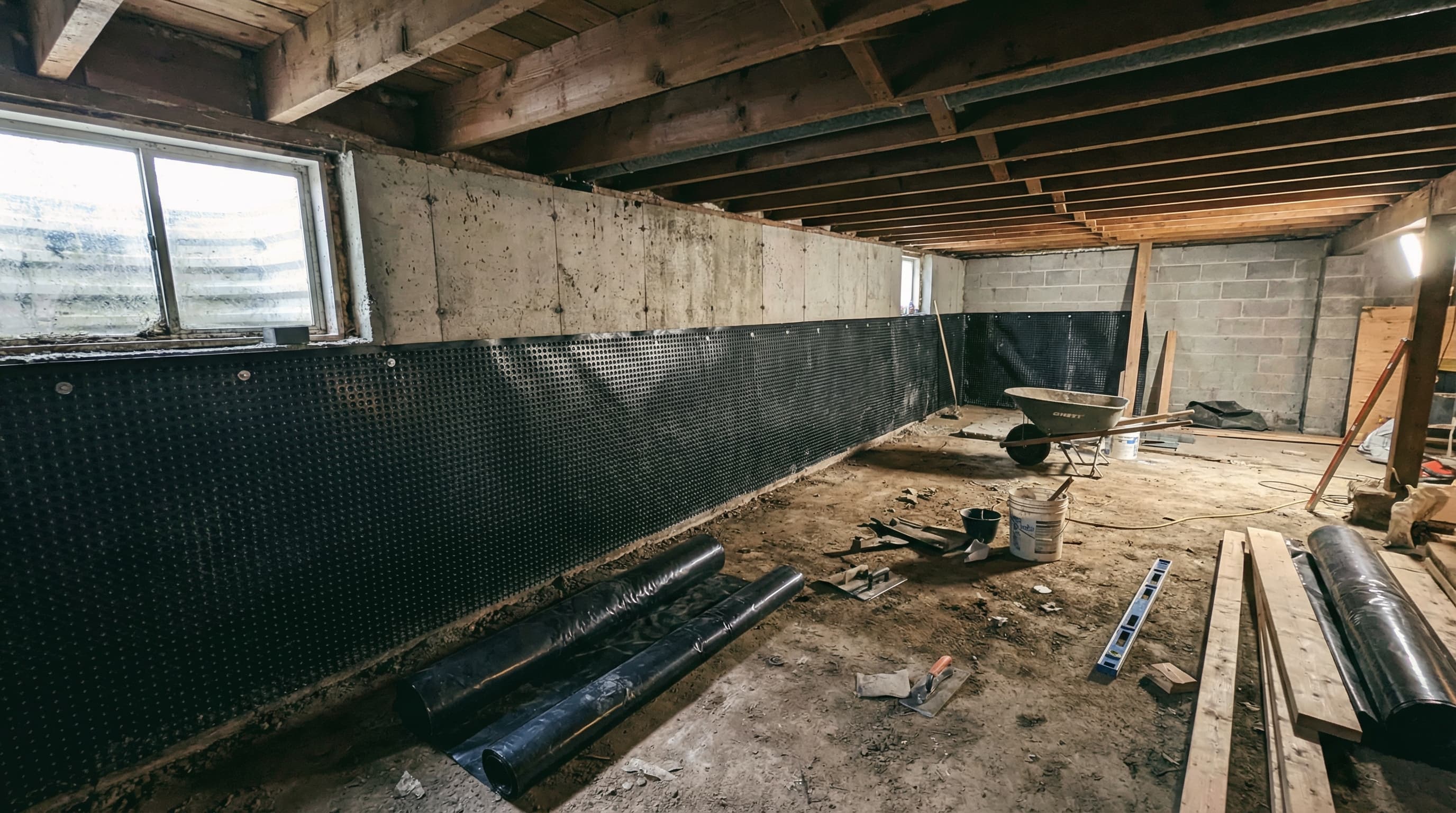
Before the design hardens, the team should understand the lot’s physical and regulatory constraints. That includes access, servicing needs, drainage logic, municipal expectations, and any slope or grading conditions that will shape the build.
Municipal processes should inform the pace of the project
Approvals are not an administrative footnote. They affect when the project can move, how it is documented, and whether changes late in the process become costly.
- Clarify the permit path and likely review points early
- Keep site plans, concept work, and servicing decisions coordinated
- Use due diligence to reduce avoidable redesign later
Storm-water and servicing strategy affect downstream cost
Keon's service mix is unusually explicit about storm-water, servicing, erosion control, and site-planning scope. That matters because these elements influence not only compliance, but also the practical difficulty of building the house or renovation cleanly.
A stronger early phase makes the build phase calmer
When site-development questions are answered early, the design team works with better constraints, budgets hold more realistically, and construction begins with fewer unknowns. That is usually where the calmest projects separate themselves from the most stressful ones.