
Renovation is not just construction, it is coordination
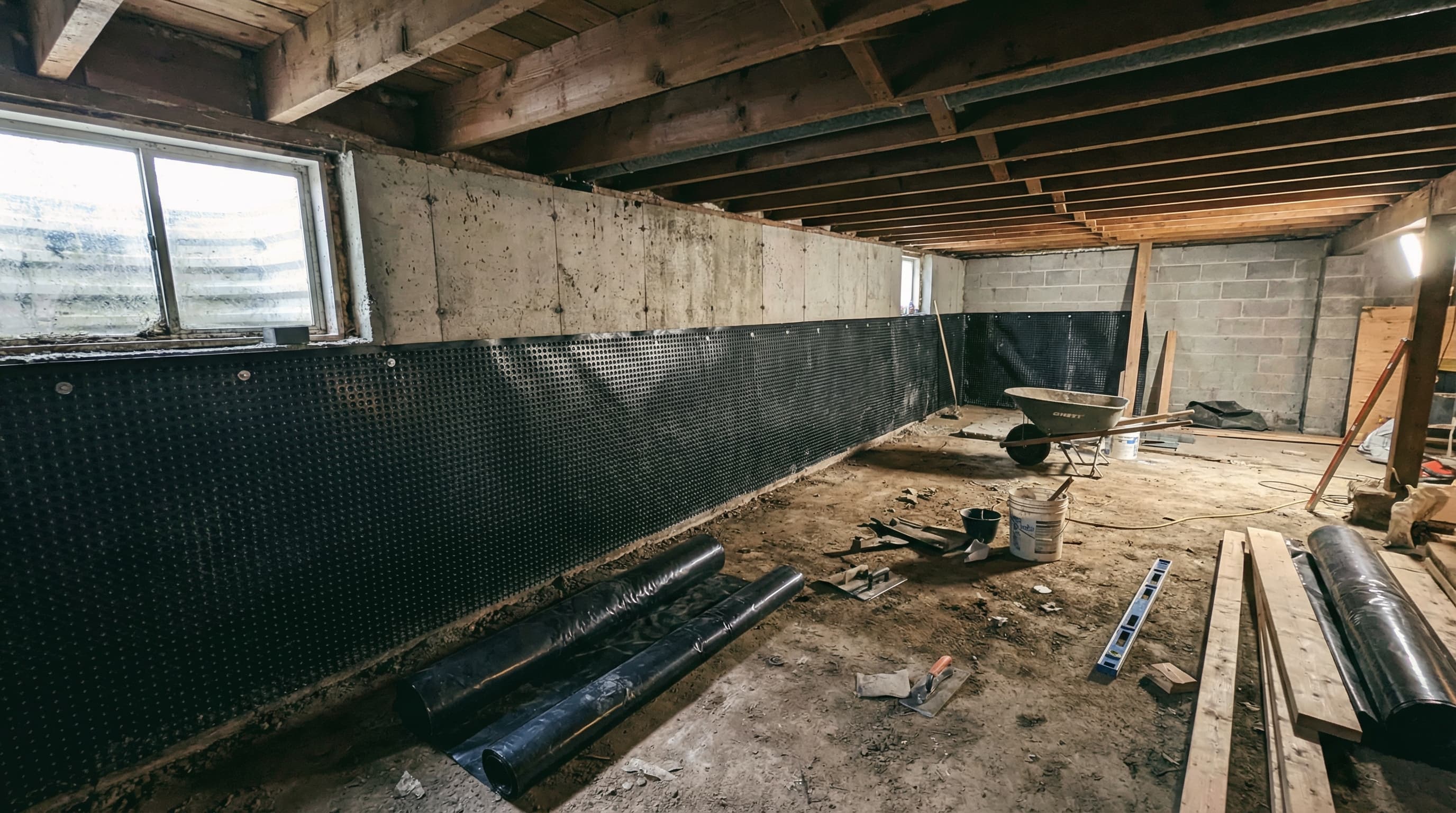
Unlike straightforward new builds, renovations often force the team to work around existing conditions, partial unknowns, and decisions that need to happen while the site is already moving. That makes sequencing more important than many owners expect.
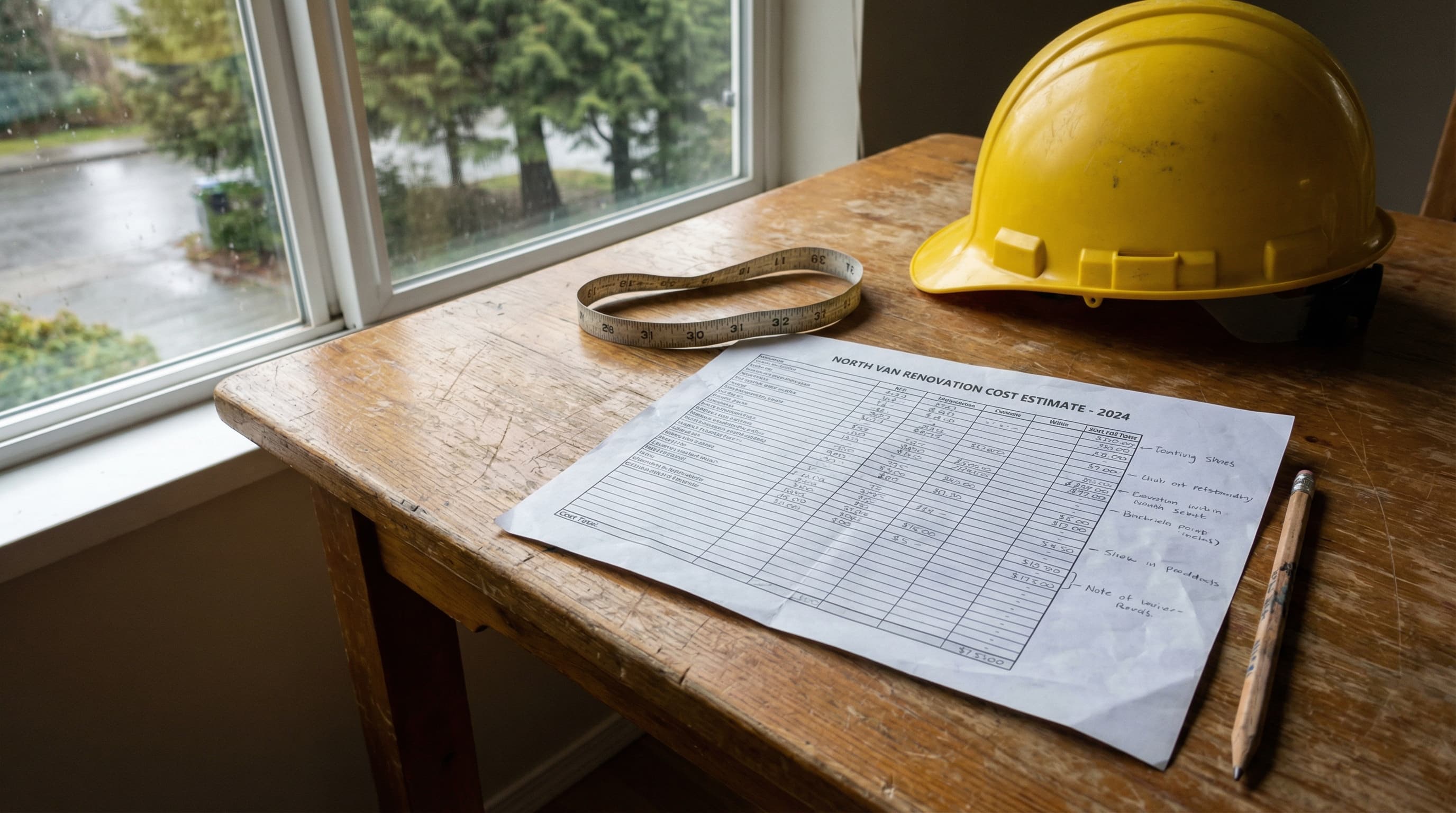
The management layer is what keeps demolition findings, revised details, trades, budgets, and schedule decisions connected.
Site supervision protects quality and timing
A project can have a solid plan and still lose ground if site supervision is weak. Details slip, trade handoffs get rough, and decisions that should have taken minutes start consuming days.
- Monitor site quality before defects multiply
- Catch incomplete trade work before the next scope arrives
- Keep reporting and approvals clear so the job does not stall
Clients should stay informed without being overwhelmed
Strong project communication does not mean flooding owners with noise. It means surfacing the right decisions at the right time, with enough context that they can approve work confidently.
Reactive jobs usually cost more than managed ones
When the site is forced to improvise, budgets erode through small inefficiencies: remobilization, rework, lost days, rushed procurement, and downstream compromises. Project management is not overhead for its own sake. It is often the difference between a controlled renovation and a reactive one.